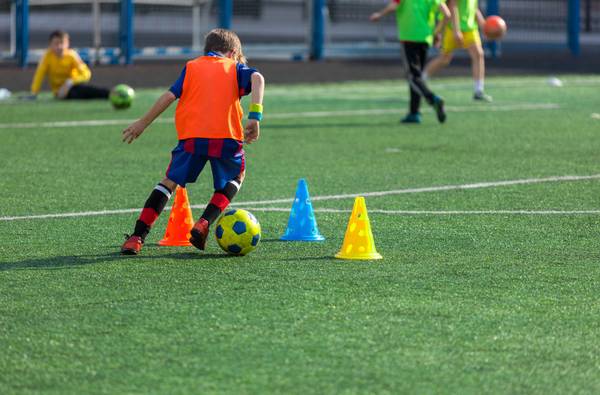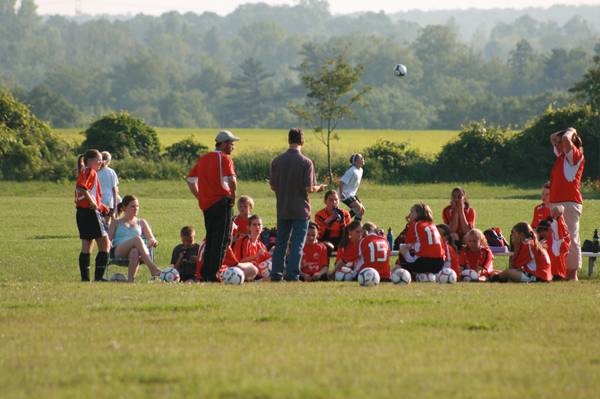

Every grassroots football coach has witnessed the frustrating disconnect: players execute passing patterns flawlessly during training, yet struggle to make effective decisions during competitive matches. The difference lies not in technical ability but in decision-making capacity developed through purposeful drill design. Effective decision making football drills replicate match complexity, forcing players to process information, evaluate options, and choose actions under realistic pressure.
The Gap Between Drills and Match Play
Understanding why traditional training often fails to transfer to matches helps coaches design more effective sessions.
Why Traditional Drills Fall Short
Conventional drills typically follow predictable sequences. Players know exactly where passes should go, when to move, and what teammates will do next. This predictability eliminates the cognitive challenge matches present constantly. Players become proficient at executing rehearsed movements but lack practice making independent judgements when situations deviate from familiar patterns.
Most basic drills remove opposition entirely or include passive defenders who merely occupy space without actively challenging attackers. Real matches feature opponents who press aggressively, cut passing lanes, and force quick decisions under pressure. Training without genuine opposition develops technical execution but not the decision-making required when defenders actively disrupt plans. TeamStats helps coaches track whether training transfers to match performance through detailed statistics revealing decision quality during competitive play.
Traditional approaches often present single correct solutions. A passing drill might have one "right" answer, teaching players to seek that specific option rather than evaluating multiple possibilities and selecting the most effective based on circumstances. Matches rarely offer obvious singular solutions; successful players assess multiple options and choose intelligently based on opponent positioning, teammate movement, and tactical objectives.
What Match Scenarios Require
Competitive football demands processing multiple variables simultaneously. Players must track opponent positions, identify teammate locations, assess space availability, and recognise tactical patterns whilst controlling the ball and evading pressure. This cognitive load cannot develop through simple drills presenting isolated challenges.
Split-second decision-making separates effective players from those who hesitate. The time available to receive, assess options, and execute decisions in matches far exceeds what training drills typically require. Players need practice making quality choices rapidly, developing pattern recognition that enables quick, accurate judgements without conscious deliberation.
Adaptability matters enormously. Opponents change tactics, teammates take unexpected positions, and match dynamics shift constantly. Players trained exclusively through rigid patterns struggle adapting when situations differ from rehearsed scenarios. Developing flexible decision-makers requires variable practice presenting similar principles in diverse contexts.
Core Principles of Decision-Making Drill Design
Effective decision making football drills share fundamental characteristics that distinguish them from conventional technical exercises.
Realistic Match Context
Drills must replicate match conditions sufficiently that decisions transfer directly to competitive situations. Time pressure forces quick thinking; players cannot deliberate endlessly as they might during unopposed technical work. Spatial constraints similar to match areas ensure decisions reflect genuine positional challenges rather than idealised conditions with unlimited space.
Opposition presence transforms exercises fundamentally. Active defenders who genuinely attempt winning possession create authentic pressure requiring real decision-making. Numerical situations matching match scenarios - whether defending outnumbered, attacking with advantages, or facing equal numbers - ensure tactical decisions practised during training apply directly during competitive play.
Multiple solution pathways allow intelligent choice. Rather than seeking single correct answers, players evaluate options and select based on circumstances. Perhaps passing offers the best solution when teammates find space, but dribbling works better when passing lanes close. Training should reward effective decisions regardless of which specific action players choose.
Progressive Complexity
Begin with simplified scenarios presenting clear choices, then gradually add variables increasing cognitive demands. A basic 2v1 attacking drill develops decision-making about passing versus dribbling. Adding defensive recovery runs introduces timing considerations. Including goalkeepers requires assessing finishing angles. Each progression maintains the core decision-making principle whilst increasing complexity toward match realism.
Cognitive load should build systematically. Players cannot handle excessive information simultaneously when learning new concepts. Introduce decisions individually, ensure competency, then combine multiple decision points creating scenarios matching match complexity. This scaffolded approach develops capacity to process information rapidly without overwhelming players during initial learning phases.
Repetition with Variation
Players need repeated practice making similar decisions in varied contexts to develop pattern recognition. A drill teaching when to pass forward versus sideways might present this choice during build-up play, transition moments, and attacking situations. Varying contexts whilst maintaining core decision principles helps players recognise applicable patterns during matches regardless of specific circumstances.
Transferable solutions emerge through varied practice. Players who experience decision principles across diverse scenarios understand underlying concepts rather than merely memorising specific responses. This deep understanding enables application during novel match situations sharing similar characteristics with trained scenarios.
Key Elements to Include in Every Drill
Certain components transform standard exercises into genuine decision-making practice.
Opposition and Pressure
Active defenders who genuinely contest possession create authentic decision-making environments. These opponents should pursue realistic objectives - winning the ball, preventing forward progress, or forcing turnovers - rather than passively occupying space. The intensity they provide forces players to process information and choose actions under genuine pressure matching competitive conditions.
Numerical relationships shape available decisions. Working with advantages teaches exploiting space and creating opportunities. Defending outnumbered develops intelligent positioning and delaying tactics. Equal numbers require reading subtle advantages through timing, positioning, and technical execution. Football formations influence these numerical situations, and training should reflect tactical systems players will employ during matches.
Time Constraints
Limited possession time accelerates decision-making. Touch restrictions force rapid processing; perhaps players have maximum three touches before releasing possession. This constraint eliminates leisurely deliberation, developing capacity for quick assessments matching match tempo where opponents close space rapidly.
Transition speed matters significantly. Attackers must recognise counter-attacking opportunities immediately; defenders need instant reactions when possession changes. Drills incorporating quick transitions between attacking and defending develop this rapid decision-making essential for modern football where transitions often determine match outcomes.
Multiple Options
Effective drills present genuine choices without obvious answers. An attacking player approaching goal might shoot, pass to a supporting teammate, or dribble past the final defender. All three options could succeed depending on defensive positioning, teammate locations, and individual strengths. Training should include scenarios where multiple solutions work, teaching players to evaluate circumstances and select intelligently.
Reading situations requires processing multiple information sources simultaneously. Players must track ball location, identify teammate positions, assess opponent locations, recognise space availability, and understand tactical objectives. Drills presenting this complexity develop perceptual skills necessary for quality decision-making during matches.
Consequences and Feedback
Immediate outcomes teach cause and effect. When decisions succeed, players understand why particular choices worked. Failed decisions provide equally valuable lessons about what didn't work and why. Clear consequences - scoring, conceding possession, or achieving tactical objectives - make success and failure obvious, enabling rapid learning through direct experience.
Coaching interventions guide reflection without removing decision responsibility. Rather than instructing exactly what players should do, effective coaches pose questions: "Why did you choose that option?" or "What else did you see available?" This questioning develops conscious awareness of decision-making processes, helping players recognise patterns they might apply during matches.
Age-Specific Drill Design
Decision-making capacity develops progressively; drills must match cognitive abilities at different ages.
Younger Players (Under-9 to Under-12)
Simplified choices suit developing cognitive capacities. Binary decisions - pass or dribble, left or right, shoot or pass - provide appropriate challenges without overwhelming young players. Visual cues help; coloured bibs indicating where passes should go, or zones defining spatial objectives, support decision-making whilst cognitive processing develops.
Game-based learning maintains engagement. Small-sided matches with modified rules naturally incorporate decision-making whilst feeling enjoyable rather than like difficult cognitive exercises. The best age to start playing football influences appropriate complexity, with very young children benefiting from simple, fun activities that subtly develop basic decision skills.
Developing Players (Under-13 to Under-16)
Increased complexity challenges maturing cognitive abilities. Players at this age can process multiple variables, recognise patterns, and understand tactical concepts requiring sophisticated decision-making. Drills can incorporate position-specific choices, tactical principles like maintaining possession versus attacking quickly, and spatial awareness requiring reading multiple teammates and opponents simultaneously.
Pattern recognition becomes explicit learning objectives. Coaches can highlight recurring scenarios - numerical advantages in wide areas, central overloads, or defensive pressing triggers - helping players consciously recognise these patterns during matches and respond with practised decision-making.
Advanced Youth (Under-17+)
Match-realistic scenarios prepare players for competitive football's demands. Drills should replicate specific tactical situations players encounter during fixtures, incorporating opposition analysis when facing particular opponents. High-pressure environments where consequences matter significantly - perhaps competitions during training or evaluated performances - develop decision-making under stress matching competitive pressures.
Multiple simultaneous variables challenge advanced players appropriately. They can handle processing team-wide tactical objectives, individual responsibilities, opponent tendencies, and match context simultaneously. Training should present this complexity, developing decision-making sophistication required for higher competitive levels.
Drill Categories and Examples
Specific exercise types develop different decision-making competencies.
Possession Under Pressure Drills
Rondos teach scanning, receiving, and passing decisions under pressure. Adding conditional rules - perhaps requiring two touches on one side of the circle but allowing one-touch on the other - introduces decision-making about positioning and movement to create favourable receiving conditions. These exercises develop fundamental decision-making applicable across match situations.
Possession boxes with transitions incorporate defensive decision-making. Teams maintaining possession must decide between patient build-up and penetrative passes whilst defenders choose pressing intensity and positioning. Sudden possession changes require instant transition decisions, replicating match scenarios where teams switch between attacking and defending rapidly.
Build-up play scenarios teach tactical decision-making. Perhaps attackers must progress play through zones before shooting, requiring decisions about when to pass forward, when to switch play, and when to retain possession whilst waiting for passing lanes to open. These exercises develop 9-a-side tactics applicable during competitive matches.
Attacking Decision Drills
Final third combinations require split-second judgements about shooting, passing, or continuing dribbles. Creating 2v1, 3v2, or similar numerical advantages forces decisions about exploiting space and creating goal-scoring opportunities. Finishing with defenders present teaches shot selection, timing, and placement decisions under pressure.
Counter-attack scenarios develop transition decision-making. Attackers must instantly recognise opportunities following defensive turnovers, deciding whether to dribble forward rapidly, release early passes to advancing teammates, or delay whilst support arrives. These situations arise frequently during matches, making counter-attack practice essential for comprehensive decision-making development.
Defensive Decision Drills
Pressing decisions require reading triggers indicating when to engage opponents aggressively versus holding defensive positions. Drills presenting varied attacking scenarios teach defenders to recognise favourable pressing opportunities - perhaps when attackers receive with poor body positioning or touch - versus situations requiring patient positioning whilst attackers maintain possession securely.
1v1 defending choices develop individual decision-making under pressure. Defenders must judge whether to attempt tackles, contain opponents whilst delaying, or force attackers into congested areas where teammates provide support. These fundamental decisions occur repeatedly during matches, making isolated practice valuable for developing defensive intelligence.
Transition Drills
Quick transitions between attacking and defending replicate modern football's demands. Possession changes require instant decisions about pressing intensity, defensive positioning, and counter-attacking opportunities. Drills incorporating frequent turnovers develop this rapid decision-making distinguishing effective teams capable of exploiting transition moments.
Designing Position-Specific Decision Drills
Different positions face unique decision-making demands requiring targeted practice.
Defenders
Central defenders must decide when to step forward aggressively versus holding positions maintaining defensive shape. Playing out from the back presents choices about passing options, dribbling to draw pressure, or clearing safely when opponents press intensely. These position-specific scenarios require tailored training developing decision-making relevant to defensive responsibilities.
Midfielders
Midfield players face constant choices between forward and backward passes, determining whether to play safe possession passes or attempt penetrative options splitting defensive lines. Pressing trigger recognition requires reading when to engage opponents aggressively versus conserving energy and maintaining positioning. The number six position particularly demands sophisticated decision-making, balancing defensive responsibilities with initiating attacks.
Attackers
Attacking players decide between shooting and passing near goal, requiring assessment of finishing angles, defender positions, and teammate locations. Running channels and timing movements to stay onside whilst threatening space behind defences demand spatial awareness and anticipation. These skills develop through repeated practice in decision-based scenarios replicating match situations.
Using Constraints to Force Decisions
Intelligent constraints create decision-making opportunities without overly prescriptive instructions.
Rule-Based Constraints
Touch limits accelerate decision-making. Requiring one or two-touch play eliminates time for lengthy deliberation, forcing rapid processing and execution. Scoring conditions - perhaps goals counting double when involving five consecutive passes - encourage specific tactical decisions whilst maintaining player autonomy about execution methods.
Zone requirements create spatial decision-making. Perhaps teams must progress through defensive, middle, and attacking thirds before shooting, requiring judgements about when transitions between zones become viable. These constraints replicate match tactical principles whilst allowing creative solutions within defined parameters.
Space Constraints
Varying area sizes influences available decisions. Tight spaces force quick passing and close control decisions, whilst larger areas allow dribbling and switching play. Directional play constraints - perhaps attacking one direction initially then transitioning to opposite direction following turnovers - develop decision-making about exploiting space and changing focus rapidly.
Numerical Constraints
Overloads and underloads create varied decision-making contexts. Attacking with numerical advantages teaches exploiting space and supporting runners, whilst defending outnumbered develops intelligent positioning and delaying tactics. Neutral players who play with possession teams add complexity, requiring decisions about when to involve neutrals versus playing directly amongst permanent teammates.
Coaching the Decision-Making Process
How coaches facilitate learning influences decision-making development as much as drill design itself.
Questioning Rather Than Telling
Guided discovery develops independent thinking. Rather than instructing exactly what players should do, pose questions prompting reflection: "What did you see?" or "Why did you choose that option?" This approach encourages conscious processing, helping players recognise decision-making patterns they'll apply independently during matches when coaches cannot provide guidance.
Video Analysis Integration
Reviewing drill scenarios through video helps players recognise patterns and alternative options they might have missed in real-time. Comparing training decisions with similar match situations demonstrates transfer, reinforcing that practice applies directly to competitive play. Modern football coaching apps facilitate this analysis, making video review accessible even for grassroots clubs with limited resources.
Creating Learning Moments
Strategic pauses allow reflection without disrupting flow excessively. Following significant decision points - whether successful or unsuccessful - briefly stop play and facilitate discussion. What options existed? Why did players choose particular actions? What alternatives might have worked? These conversations develop conscious awareness improving future decision-making.
Measuring Improvement in Decision-Making
Tracking progress ensures drills effectively develop intended competencies.
Observable Indicators
Decision speed improves as players develop pattern recognition. Initial attempts might involve lengthy deliberation; proficiency manifests through rapid, confident choices. Success rates indicate whether decisions generally prove effective, though occasional failures when attempting ambitious options should be accepted as learning opportunities rather than concerning patterns.
Variety in solutions demonstrates sophisticated understanding. Players recognising multiple effective options and selecting appropriately based on circumstances show deeper comprehension than those automatically choosing favourite options regardless of situational demands. Match transfer provides ultimate validation; improved decision-making during competitive play confirms training effectiveness.
Tracking Progress
Recording drill performance data enables monitoring development over time. Perhaps players complete attacking scenarios, with coaches noting decision speed, option selected, and outcome achieved. Tracking these metrics reveals patterns - maybe players consistently miss specific options - guiding targeted instruction addressing identified weaknesses.
Correlating training metrics with match statistics validates drill effectiveness. If possession drills improve retention during training but teams continue surrendering possession frequently during matches, training may lack sufficient transfer. Adjusting drill design toward greater match realism addresses these gaps, ensuring practice produces genuine performance improvements.
Common Mistakes to Avoid
Certain errors undermine decision-making drill effectiveness.
Over-Complicating Too Soon
Introducing excessive complexity before players master fundamental decisions overwhelms cognitive capacity. Build progressively, ensuring competency at simpler levels before advancing. Frustrated players struggling with overly complex scenarios learn little compared to challenged players successfully navigating appropriately difficult situations.
Insufficient Repetition
Decision-making improves through repeated practice developing pattern recognition. Single exposures to scenarios rarely produce lasting learning; players need multiple opportunities encountering similar decisions in varied contexts. Ensure adequate repetition whilst maintaining engagement through variation preventing monotonous drill repetition.
Removing All Opposition
Drills without genuine opposition fail developing decision-making under realistic pressure. Passive defenders or unopposed technical work have value for developing execution quality, but decision-making requires active opposition creating authentic challenges players face during competitive matches.
Focusing Only on Outcomes
Judging solely whether decisions succeeded or failed misses learning opportunities. Sometimes excellent decisions produce poor outcomes due to execution errors or opponent excellence. Conversely, poor decisions occasionally succeed through luck. Evaluate decision quality based on information available when choices were made, not merely final results.
Conclusion
Match success increasingly depends on decision-making quality as technical levels across grassroots football continue improving. Teams with comparable technical abilities separate themselves through superior tactical intelligence and decision-making under pressure. Developing these cognitive skills requires purposeful training through decision making football drills that replicate match complexity and force players to evaluate options, process information rapidly, and choose actions intelligently.
Effective drill design incorporates opposition, time pressure, multiple solution pathways, and realistic match contexts. Progressive complexity matched to player age and cognitive development ensures appropriate challenge without overwhelming learners. Position-specific scenarios and varied practice contexts develop pattern recognition enabling rapid, accurate decisions during competitive play.
Coaches who prioritise decision-making training alongside technical development produce complete players capable of executing skills effectively whilst choosing when and how to apply them intelligently. This comprehensive approach prepares players for competitive football's demands, where split-second decisions frequently determine match outcomes. Implementing systematic decision-making training through thoughtfully designed drills transforms capable technicians into intelligent footballers who think as effectively as they play.
═══════════════════════════════════════════════════════════════